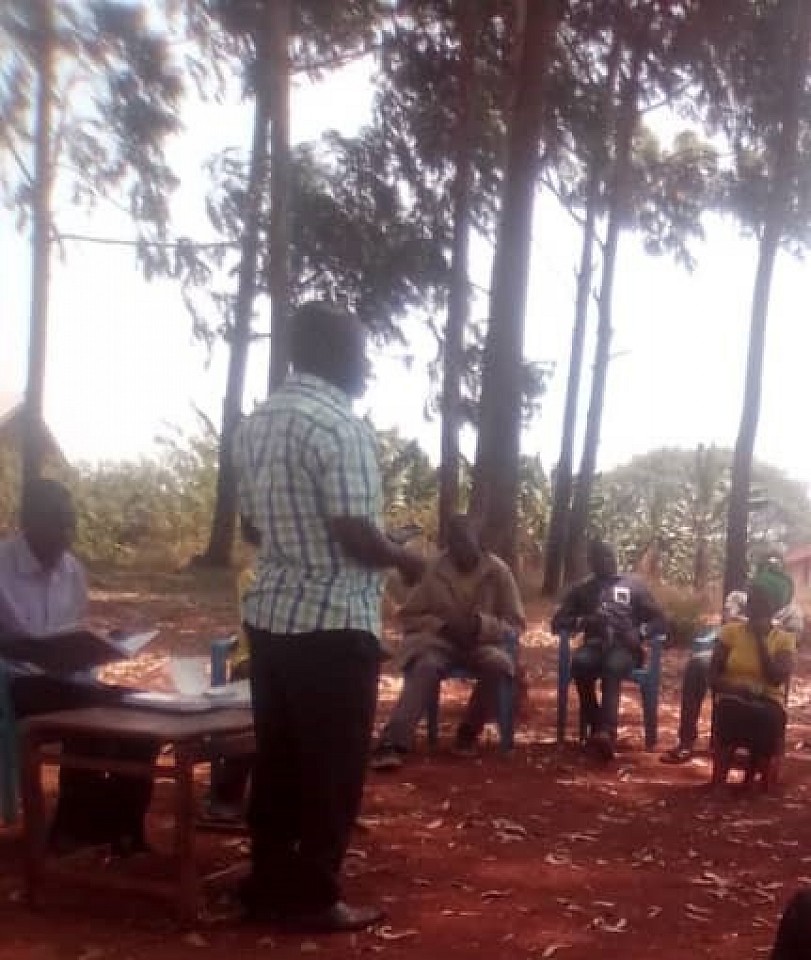
Village saving meeting
6. Community Empowerment Initiatives:
We collaborate directly with local communities through a community-based approach to ensure that projects are both relevant and effective, fostering strong and resilient households capable of self-reliance. This methodology allows us to integrate financial literacy in a culturally appropriate manner that addresses the unique needs of each community. Examples include:
Encouraging and supporting the establishment of Village Savings and Loan Associations (VSLAs): The foundation promotes and facilitates the creation of VSLAs, cultivating a savings culture and providing accessible, local credit sources for group members.
Peer-to-peer learning: Financial education is delivered by community trainers and mentors drawn from within the beneficiary groups, fostering trust and ensuring that information is conveyed in a relatable and effective manner.
Special interest groups
The foundation customizes financial literacy programs for vulnerable populations, including women and refugees.
Women’s empowerment: Financial literacy forms a fundamental part of initiatives aimed at empowering women, enabling them to achieve greater economic independence. Training is designed to assist women in managing household finances, saving for emergencies, and budgeting for entrepreneurial ventures.
Refugee financial inclusion: For refugees, the emphasis is on leveraging existing skills, such as handicrafts, to generate income. The financial literacy component equips them with the knowledge to manage their earnings, save effectively, and attain a degree of financial autonomy.
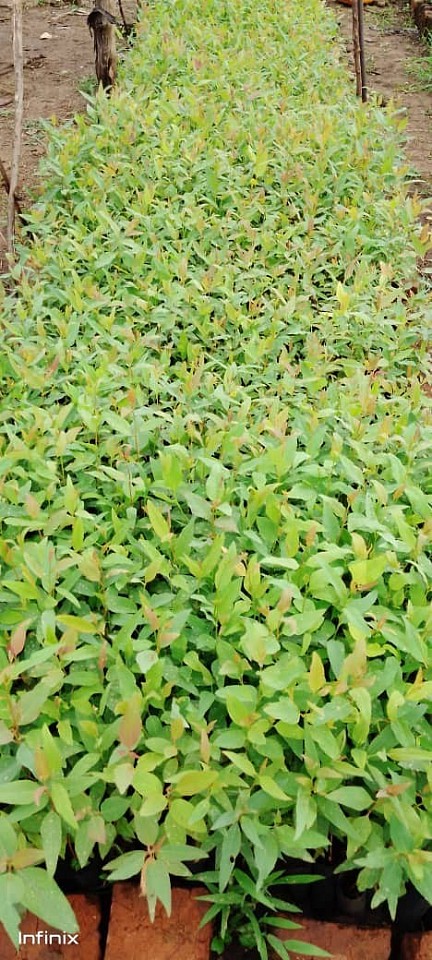
Nursery bed set to boost tree planting
5.Climate Justice and Environmental Conservation:
Promote climate justice, environmental conservation, and protection of biodiversity through education, awareness campaigns, sustainable practices, and initiatives like tree planting to provide carbon sink for greenhouse carbon emission.
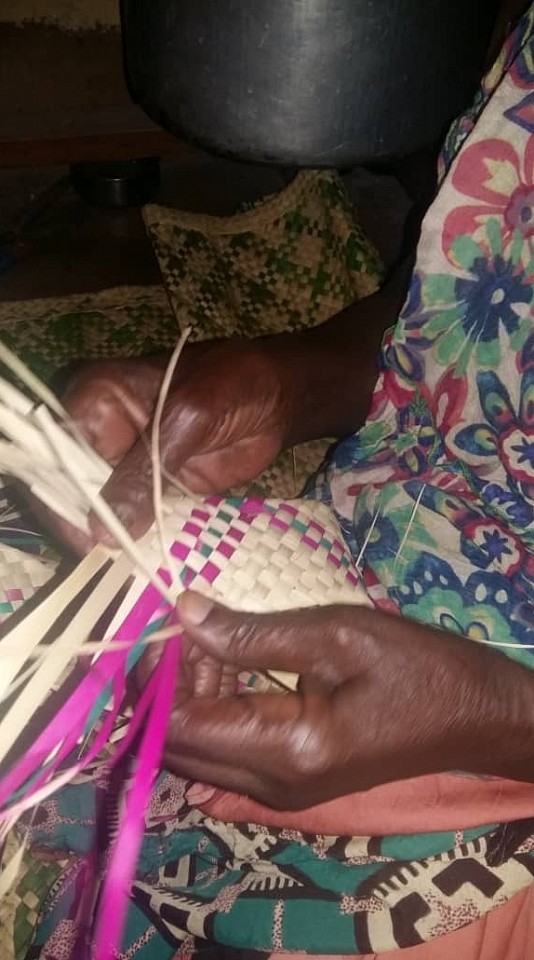
A refugee woman weaves basket and mats from reeds and palm leaves to generate extra income for livelihood
4.Sustainable livelihood support Programs:
We Create and enhance sustainable livelihood opportunities for community members through training in areas like agriculture, entrepreneurship, and eco-tourism, thereby expanding on socio-economic inclusion of rural and marginalized population, reducing poverty and dependency on unsustainable practices.
Key projects and initiates:
· Regenerative Agriculture: The foundation empowers subsistence farmers to transition from traditional farming to a regenerative agricultural model. This approach helps build a sustainable and resilient ecosystem while improving community livelihoods and ensuring food security. Financial Access, Infrastructure, farmers training ,access to affordable farm inputs and ready Market Development for farm produce, this empowers modern farming technique which scales up production and improve farmers income.
· Mushroom Cultivation: An initiative teaches households, including women and youth, to grow oyster and button mushrooms using low-cost, eco-friendly methods. This project provides a reliable source of income due to high market prices and improves household nutrition.
· Handicrafts and Entrepreneurship for Refugees: For refugees, particularly women, the foundation recognizes and supports their hand skills for economic empowerment. This includes projects for weaving baskets and making mats, promoting financial independence and social inclusion.
· Eco-Tourism: Hope Vineyard Foundation promotes eco-tourism as a sustainable income source, especially in biodiversity-rich regions bordering national parks like Bwindi and Murchison fall, cultural heritage sites. These initiatives empower young people and women to develop income-generating opportunities related to the local wildlife and environment.
· Skills Training and Financial Inclusion: The foundation offers a range of training, from sustainable farming to vocational and technical training and financial literacy. These skills enable community members to explore new economic opportunities and manage their finances effectively.
· Plastic Recycling: As a part of its climate mitigation efforts, the foundation empowers communities through plastic recycling projects. This initiative not only benefits the environment but also provides an additional source of income.
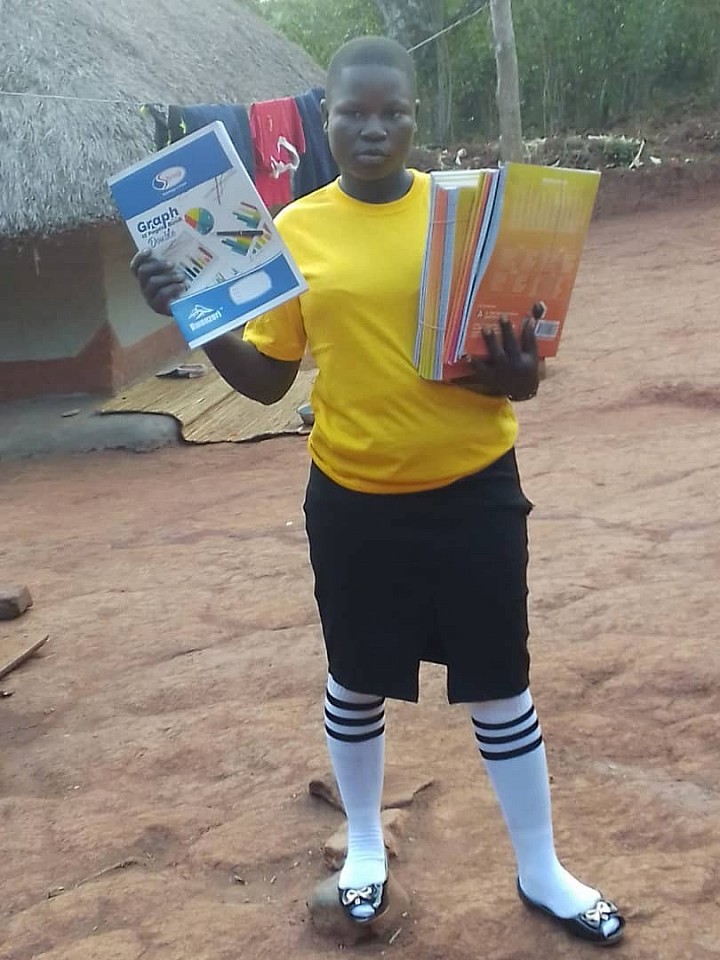
A student receives scholastic materials to boost her education
3.Inclusive Education:
We passionately intensify and improve access to quality education, particularly for marginalized children in rural areas. This includes expanding programs and potentially supporting students underprivileged children from poor backgrounds by sponsoring their education through provision of school requirements and fees up to the university level.
Project Objectives
To increase access to quality education for girls aged 5–24 in underserved areas
This objective aims to eliminate the barriers that prevent girls and other destitute children from enrolling in and completing their education in marginalized communities. The program will provide financial support through scholarships, school supplies, and transportation assistance to reduce the economic burden on families. It will also collaborate with local schools to improve infrastructure, ensure safe learning environments, and support teacher training, particularly in gender-sensitive pedagogy. By addressing both the supply and demand sides of education, the initiative seeks to ensure that every girl and other destitute children have the opportunity to learn in a nurturing, inclusive setting that meets her academic and emotional needs.
The primary objectives of this project:
To increase access to quality education for girls aged 5–23 years in underserved areas
This objective aims to eliminate the barriers that prevent girls and other destitute children from enrolling in and completing their education in marginalized communities. The program will provide financial support through scholarships, school supplies, and transportation assistance to reduce the economic burden on families. It will also collaborate with local schools to improve infrastructure, ensure safe learning environments, and support teacher training, particularly in gender-sensitive pedagogy. By addressing both the supply and demand sides of education, the initiative seeks to ensure that every girl has the opportunity to learn in a nurturing, inclusive setting that meets her academic and emotional needs.
To develop leadership skills among adolescent girls through structured training and mentorship
Recognizing that academic success alone is not sufficient for long-term empowerment, this objective focuses on cultivating girls’ confidence, voice, and agency. The program will offer structured leadership development workshops covering public speaking, decision-making, critical thinking, and advocacy. Girls and boys will also be paired wit trained female mentors from various professional backgrounds to guide them through personal and academic growth. Through peer-led clubs and community projects, participants will practice leadership in real-life settings, equipping them to become active change-makers in their schools, homes, and broader society.
To engage communities in supporting girls’ rights and education
Community engagement is vital to transforming social norms and ensuring sustained impact. This objective involves working closely with parents, local leaders, religious figures, educators, and community organizations to foster a culture that values and supports girls’ education and empowerment. Activities will include community forums, awareness campaigns, and training sessions focused on the benefits of educating girls, the harms of early marriage, and the importance of gender equity. By involving the entire community, the program seeks to create an enabling environment where girls can thrive with the support and encouragement of those around them.
To reduce school dropout and early marriage rates through awareness and support mechanisms
This objective targets two of the most common causes of lost opportunities for adolescent girls: dropping out of school and early marriage. The program will implement monitoring systems to track at-risk girls and provide early intervention through counseling, school retention support, and engagement with families. It will also launch awareness campaigns in schools and communities to educate on the legal, health, and social consequences of early marriage. By combining educational incentives with strong social messaging and direct support, the initiative aims to reduce dropout rates and empower girls to pursue their education uninterrupted into adulthood
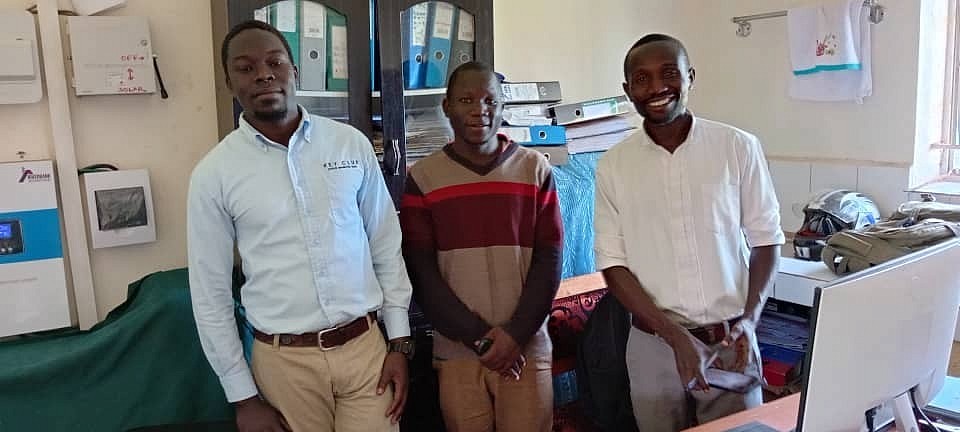
A visit to Health Centre III on Sexual Reproductive Health Access support Program
2.Integrated Healthcare:
We provide comprehensive healthcare solutions, including psychosocial support services,sexual reproductive health and rights (SRHR) initiatives, Neonatal and maternal Health, Nutritional and menstrual health to the rural refugee host communities in Uganda.
The overarching goal of this initiative is to significantly reduce health disparities affecting vulnerable and marginalized populations in Zombo district and across West Nile Sub region by advancing inclusive healthcare access, strengthening equity-centered service delivery systems, and influencing policy reforms, the program seeks to address the structural and social determinants that perpetuate health inequities. This goal underscores the commitment to a rights-based approach, where every individual—regardless of socioeconomic status, gender, ethnicity, disability, or legal status—can access high-quality, culturally competent, and affordable health services. Ultimately, the program aspires to create a nation where inclusive health systems contribute to social justice, human development, and resilience.
Low health literacy is a major barrier to improved health outcomes. Our program implements culturally and linguistically tailored health education campaigns to improve community understanding of disease prevention, healthy behaviors, and service utilization. Outreach activities will include media campaigns, peer education, school-based interventions, and community workshops that address specific health challenges such as reproductive health, nutrition, and hygiene in relations to ecosystem.
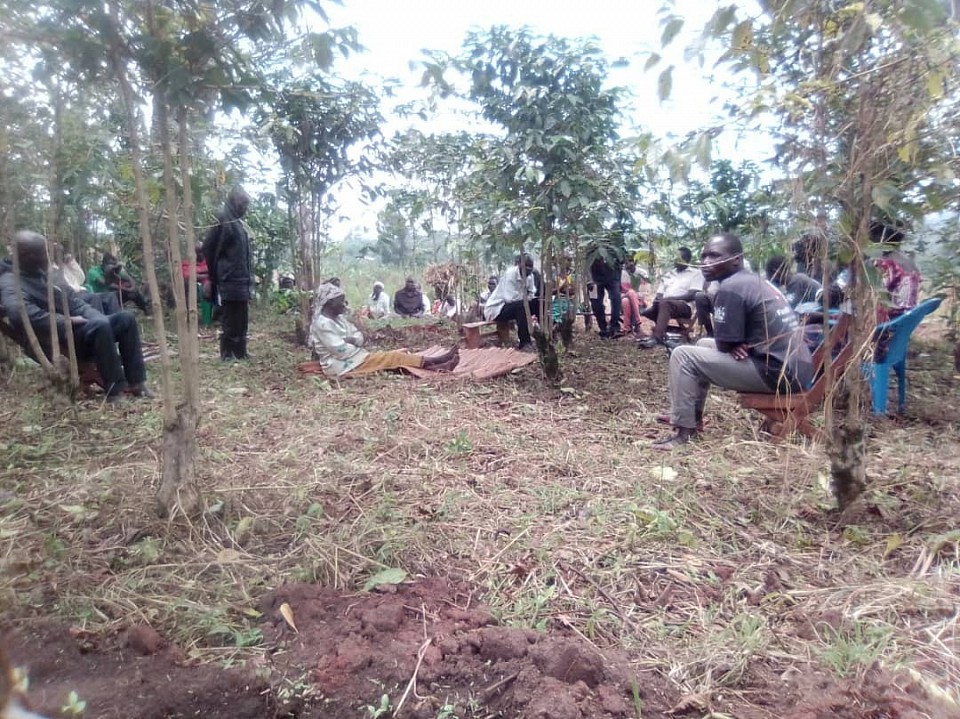
Incorporated Community Based approach to Justice and Settling Disputes
1.Human Rights and Justice
One of our primary objectives is to enhance access to human rights and justice for vulnerable populations through community engagement in education, training, and research. We actively promote gender justice by advocating for human rights, with a particular emphasis on gender equality. Our efforts include campaigns aimed at ending violence against women and girls,Refugees,land rights,access to basic services as well as advancing access to sexual and reproductive health and rights within the community context.
In our advocacy initiatives, we engage both men and boys to foster a broader transformation of gender norms. This approach enables us to directly confront patriarchal attitudes that contribute to the financial and social exclusion of women. These gender-based barriers are addressed through community-based advocacy programs that are respectful yet sensitive to local customs, allowing inclusive dialogue with both men and women.·
Promoting gender justice: The foundation actively advocates for human rights, particularly focusing on gender justice. This involves campaigns to end violence against women and girls and promote access to sexual and reproductive health and rights and land ownership rights for women.
Involving men and boys: In advocacy campaigns, the foundation engages both men and boys to encourage a broader shift in gender norms. By including men in the discussion, it addresses patriarchal attitudes that contribute to women's financial and social exclusion.
Our strategy focuses on addressing patriarchal attitudes that lead to women's financial and social exclusion, rather than alienating any particular group.
Respecting marginalized groups: We are committed to upholding the human rights of marginalized indigenous communities such as the Kebu, Alur, Lendu, and Ndrukpa. By collaborating with local community leaders, we work to confront historical and cultural marginalization and advocate for policies that honor their cultural dignity.